

















On December 5th, Netflix announced that they would merge with Warner Bros. Discovery (WBD), the company that owns HBO Max (formerly known as Max). Some of the major channels owned by them include CNN, TLC, Animal Planet, Adult Swim, et al. This article could go into how these two major companies are fighting over control of WBD, but that is less relevant. The main problem is how this merger is slowly killing off competition and consolidating the industry into two or three big companies. If you have any streaming service now, you know that almost every service seems to get more expensive each year, and they are not adding much to justify the price increases – side for making shareholders happy. The less competition there is between streaming services, the less reason companies have to keep prices lower.
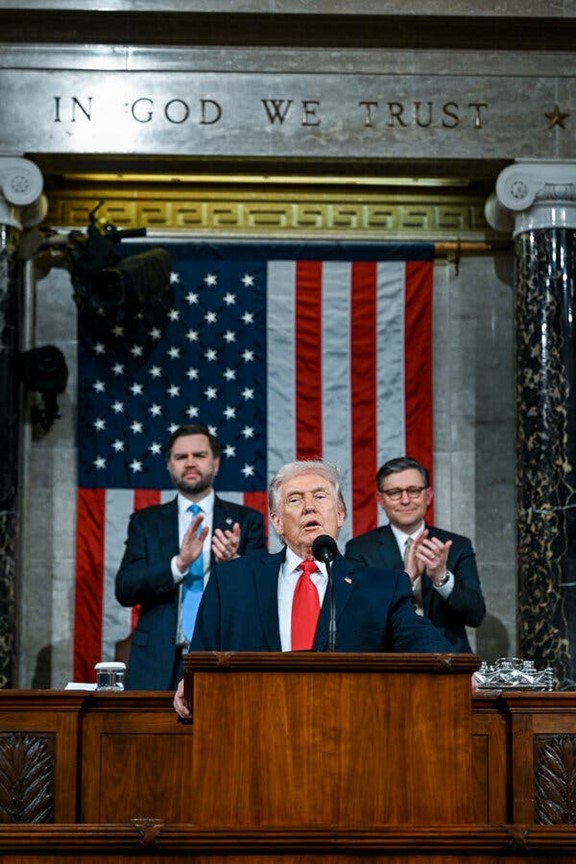
The Federal Communications Commission reviews most of these deals, and its new chair, Brendan Carr, has taken up this position since Trump was inaugurated back in January of this year. On December 7th, from the red carpet at the Kennedy Center Awards, Trump acknowledged that the deal has “to go through a process, and we’ll see what happens.” With plans to combine CBS News with CNN if this goes through, this deal could shake up a lot of the media sphere as well.
The deal is expected to be finished by the second half of 2026, so it is possible we do not see a major change until later next year. In 2022, we saw a similar merger with Discovery, Inc. and WarnerMedia, which resulted in HBO Max becoming Max and then switching back to HBO Max earlier this year. Some of this has been in the making for a couple of years, but these mergers are bigger than they were in the past, with different companies involved and politics being more complicated than before.
Before streaming services, we had major cable companies such as Verizon, AT&T, and Comcast. They still have a significant hold over internet service – and depending on where you live, you may only be able to get one company’s internet. If this deal is approved, it would mean it does not matter where you live anymore, as it could affect everyone equally. Legal scholars like Tim Wu, a law professor who specializes in antitrust, wrote an opinion piece in the New York Times arguing that Netflix or Paramount buying WBD would be bad for competition because they are direct competitors.
Would it be easier if all your favorite shows were in one place? Of course. But giving one company that much control over an entire industry is very risky. Even when Netflix had a large catalog, it still had to compete with cable. Now, it would be just two or three companies that are not really competing (since they all have different shows) while still being able to raise prices with little consequence. Sometimes they provide streaming licenses for other platforms, but not until years after a show comes out, which still gives these companies a temporary monopoly. The only sensible way to stop these kinds of monopolies is for the government to step in and enforce antitrust laws.