

















The guitar is a complex instrument but learning it is incredibly rewarding. It can be overwhelming to start something new, especially an instrument with so many strings, frets, and techniques to master. Guitar is intricate and can be confusing at first; at times it can even feel like learning a new language! But don’t worry, I can help get you started!
I started playing guitar when I was six and, over the years, I’ve gone down various alleys discovering what playing guitar means to me. It’s different for everyone! Guitar is highly specialized: There are countless genres and playing styles – but before you can find your style, you’ll need to pick out a guitar.
Guitars
Of course, the first step is purchasing a guitar. But even that can be tricky. There are countless brands, models, and styles of guitars – from djent-style seven-strings to twelve-string acoustics, classical nylon guitars to resonators. Prices can range anywhere from $50 to $10,000, so it’s important to know what to look for.
It may be tempting to buy something flashy and expensive, but I recommend starting simple. You’ll want to get a feel for the instrument and make sure you’re going to stick with it before investing too heavily. As a beginner, you also don’t know how to care for a high-end guitar, and your first one might take a bit of a beating.
Also, consider your dominant hand. Most guitars are designed for right-handed players, but left-handed version exist for nearly every major model (like the Fender Player Stratocaster LH or Epiphone Les Paul Standard LH).
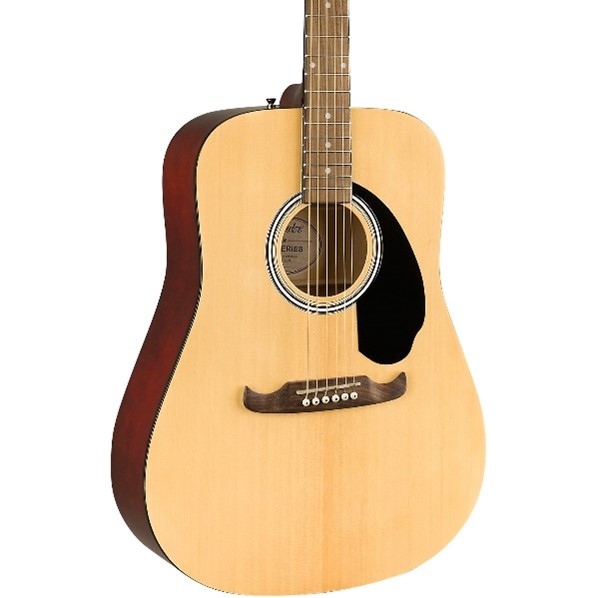
When looking for a starter guitar, acoustic guitars are the tried-and-true beginner’s option. They’re often taught first in schools because they don’t require an amplifier and force you to build hand strength. The steel strings can be a bit harsh at first, but they help develop callouses that make playing easier in the long run. The extra finger pressure required will make switching to electric later feel effortless.
If you’re going acoustic, I recommend:
- Yamaha FG800 — affordable, warm tone, extremely reliable for under $250
- Fender FA-125 — a solid starter acoustic with a bright tone
- Epiphone DR-100 — a long-time favorite for beginners, durable and easy to play
If you decide to go electric, I wouldn’t blame you! The thin strings and smaller necks make them much easier to play. I personally started on an electric because I was so young, and its compact shape made it more comfortable. However, remember that an electric guitar also needs an amp.
When it comes to electric starter guitars, try:
- Fender Squier Stratocaster or Telecaster — iconic shapes, great tone, and perfect for beginner
- Yamaha Pacifica 112V — another great beginner option with a versatile tone
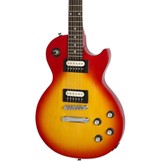
- Epiphone Les Paul Studio LT — solid weight, full tone, and great for rock style
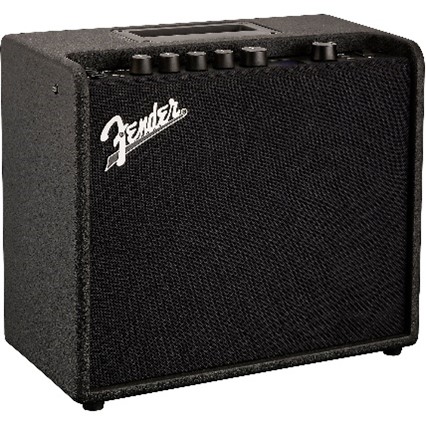
For amps, I recommend spending a little more. A good amp will last for year, sometimes even decades. I once inherited a twenty-year-old Fender amp that still worked perfectly.
Beginner-friendly amps include:
- Fender Mustang LT25 — compact digital amp with built-in effects and a tuner
- Boss Katana Mini — great tone in a small, travel-friendly size
- Orange Crush 20RT — classic rock tone and sturdy build
Always try the guitar in person before buying. Don’t rely on online pictures or description; each guitar will feel different in your hands. Strum it, see if the neck feels comfortable, and pay attention to the size. I prefer a 3/4-sized acoustic because I have small hands, but others may prefer a full-size.
Equipment
While at the music store, pick up a variety of guitar picks – they come in thin, medium, and thick gauges. Each gives a different tone and feel, so it’s worth experimenting. Beginners often like .60mm to .73mm picks (brands like Dunlop Tortex or Fender Mediums are great).
You’ll also want extra strings. Strings wear out and break. Replacing them regularly keeps your guitar sounding fresh.
- For acoustic guitars, try D’Addario EJ16 Phosphor Bronze Light strings
- For electric guitars, Ernie Ball Super Slinky or D’Addario EXL110 are industry favorites
If you plan to play campfire songs or sing-along tunes, get a capo. It clamps across the frets to change the key. A good option is the Kyser Quick-Change Capo, usually around $15.
For tuning, I use the free GuitarTuna app – it’s simple and accurate for beginners. But for more precision, you can pick a clip-on tuner like the Snark SN5X or D’Addario NS Micro Tuner.
Learning
Now that your bank account is empty, it’s time for the fun part – learning! This is where you decide how you want to approach playing: classically or untraditionally (rock, pop, folk, etc.).
If you want to learn classical guitar, I recommend finding a private teacher. If that’s not possible, the Hal Leonard Guitar Method books are fantastic for self-teaching. They’ll teach you how to read standard notation, identify notes on the fretboard, and play basic melodies. Classical guitars use nylon strings, which are softer on the fingers and produce a gentler tone.
If you’re more into modern or popular music, there are plenty of online resources. School of Rock programs are great for hands-on learning, and apps like Ultimate Guitars or Guitar Tabs lets you practice songs you already love. Tablature (or “tabs”) might look intimidating at first, but it’s just a visual way to see where to place your fingers.
The Ultimate Guitar Premium plan (around $24 a year) removes ads and gives access to official song tabs with features like auto-scroll and chord diagrams. It’s totally worth it if you’re serious about learning.
Beyond
As you get more comfortable, start learning music theory and scales. It might sound boring, but it’s essential to understanding solos and improvisation. Learn major and minor scales first, then explore the pentatonic scale – a favorite for rock and blues players.
At this point, you might want to upgrade your guitar. Mid-level guitars like the Fender Player Series Stratocaster, PRS SE Standard 24, or Epiphone Les Paul Standard 60s are excellent choices for growing players.
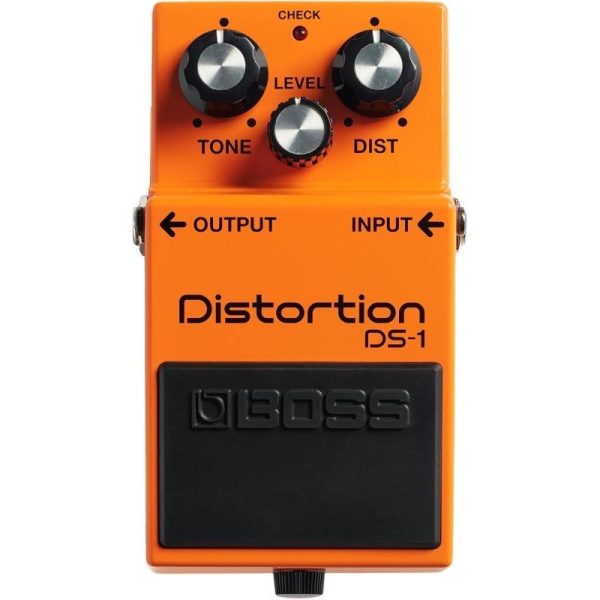
You can also explore effects pedals – like the Boss DS-1 Distortion, Electro-Harmonix Big Muff, or TC Electronic Hall of Fame Reverb – to shape your sound. I personally love a good looper pedal.
Remember, guitar can be frustrating at times. Your fingers won’t always cooperate, weird sounds will happen, and songs may feel impossible to master. When that happens, take a break. Sleep makes a huge difference. I’ve spent hours struggling with a riff only to wake up and play it perfectly the next morning.
If you stay patient, care for your instrument, and find joy in your music, you’ll grow faster than you think. Every guitarist starts where you are now. All you have to do is start and keep with it.